
You know the meme. But in Japan, せんぱい is not a romance trope — it's an everyday word with real rules, used in every school, club and office in the country.
What it actually means
Your せんぱい is anyone who entered your school, club or company BEFORE you. Age doesn't matter — entry order does. A 19-year-old can be the せんぱい of a 40-year-old who just joined. The opposite is こうはい (junior).
You can attach it to a name, or use it alone like a title. One asymmetry to remember: nobody is ever CALLED こうはい to their face — it only describes the relationship.
Why anime is soaked in it
School clubs are the senpai/kouhai system in miniature — respect, admiration, hand-me-down uniforms, unrequited feelings across a one-year gap. That's why the word carries so much drama: it names a relationship, not just a person.
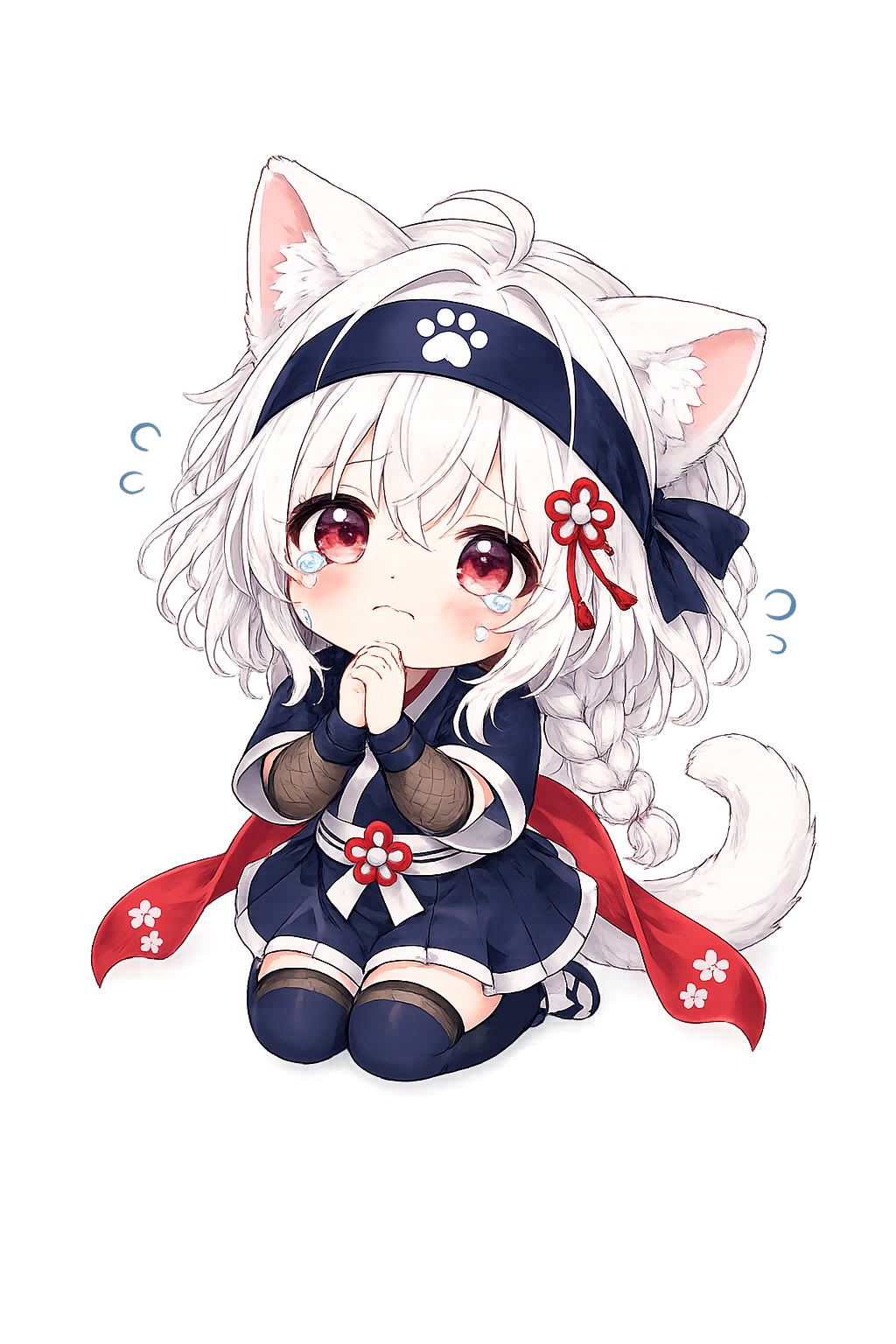
ふじせんぱい、 おしえてください!

まかせて!
Leave it to me!
Can you use it?
Absolutely — at a Japanese school or workplace it's alive and well, and it's a graceful way to avoid saying “you”: use name + せんぱい, or just せんぱい. One honest note: nobody says “notice me, senpai” in Japanese. The catchphrase is an English-speaking-fandom invention.