
It's the insult you hear ten times per episode. But is ばか a playful poke or a declaration of war? Both — the word has a dial, and everything depends on tone and relationship.
The rudeness dial
Between close friends or couples, said with a smile, it's “you dork” — teasing, even affectionate. The tsundere ばか! is a whole anime institution: affection in denial. But aimed flat-voiced at a stranger, a boss or a teacher, it's a genuine insult. Same word, opposite ends of the dial.
The Tokyo / Osaka flip
Here's the trivia that wins dinner parties: in Tokyo, ばか is the light one and あほ sounds harsh. In Osaka it's REVERSED — あほ is friendly banter and ばか actually stings. Comedians from Kansai have built entire careers on this asymmetry.
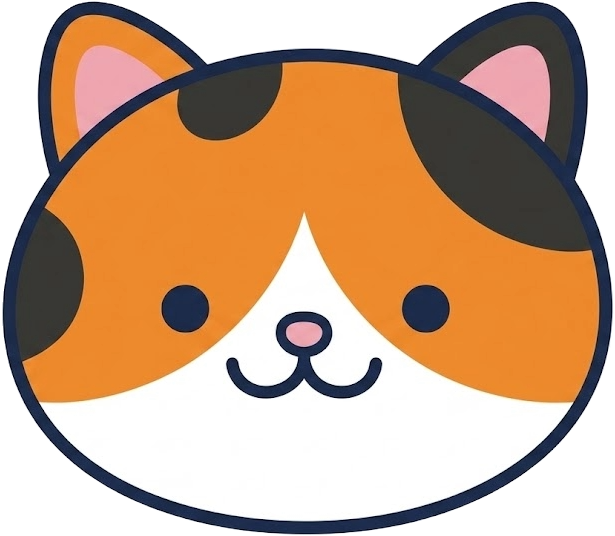
ゆきさん、ばーか!
(teasing)
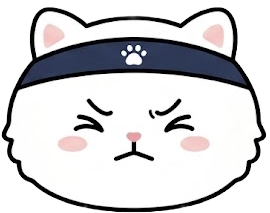
…ふじさんは あほです。
(the Kansai counterattack)
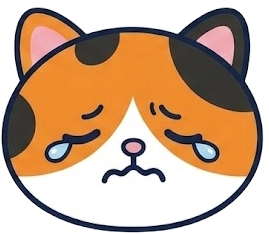
ひどい!
So mean!
Should you use it?
With close friends who joke that way — maybe, smiling. At work, at school, with anyone senior — never. And if a Japanese friend calls YOU ばか while laughing, relax: you've probably just been promoted to inner circle.